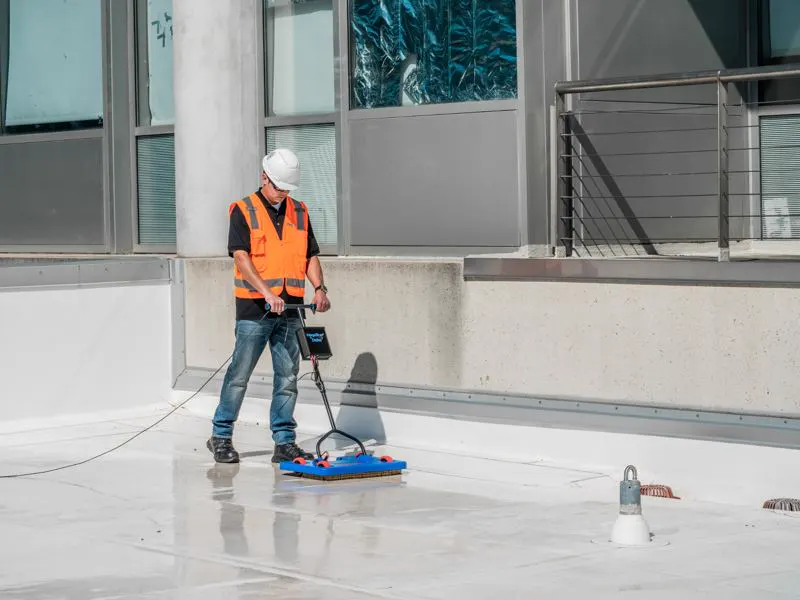
Low-voltage scanning platform
A wheeled scanning platform, such as the Detec IntegriScan, scans suitable horizontal membrane surfaces and locates breaches as it passes over them.

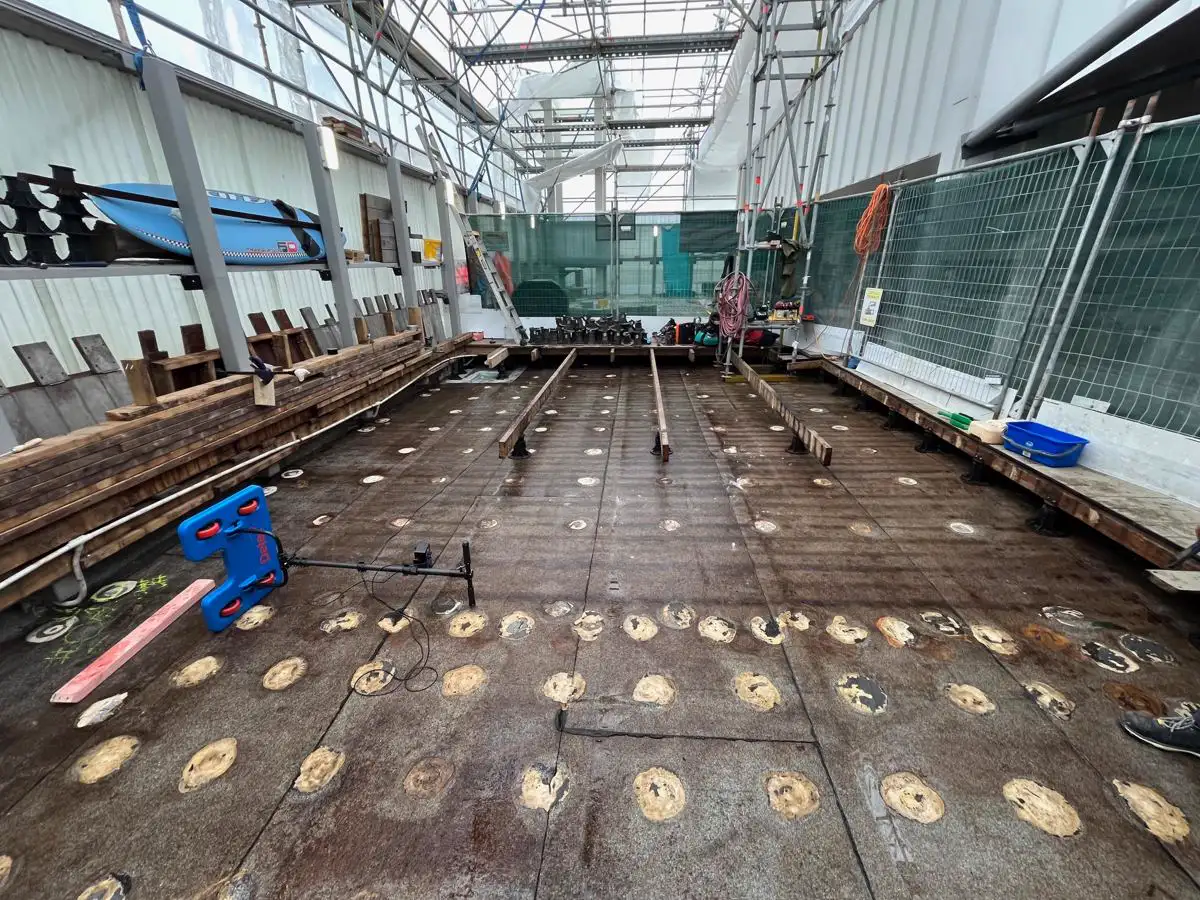
Detec New Zealand uses electronic leak detection (ELD) to locate breaches in roof, podium, bund and basement membranes — before they are covered, buried or become expensive to access.
Verify membrane integrity while you can still do something about it.
 Industry member
 CPD training
 Specification resources
The question worth asking
Installation records and workmanship assurances are important. But they are not the same as testing the completed waterproofing membrane for breaches.
You've invested in waterproofing your building. Why not verify its integrity before you cover it up?
Test before it's too late
Consider a waterproofed retaining wall. After backfilling, the membrane can become difficult or costly to access. A small breach may only become apparent after water enters the building.
Where the membrane system is designed and prepared for testing, electronic leak detection can identify and locate breaches while repairs are still practical.
Discuss your project →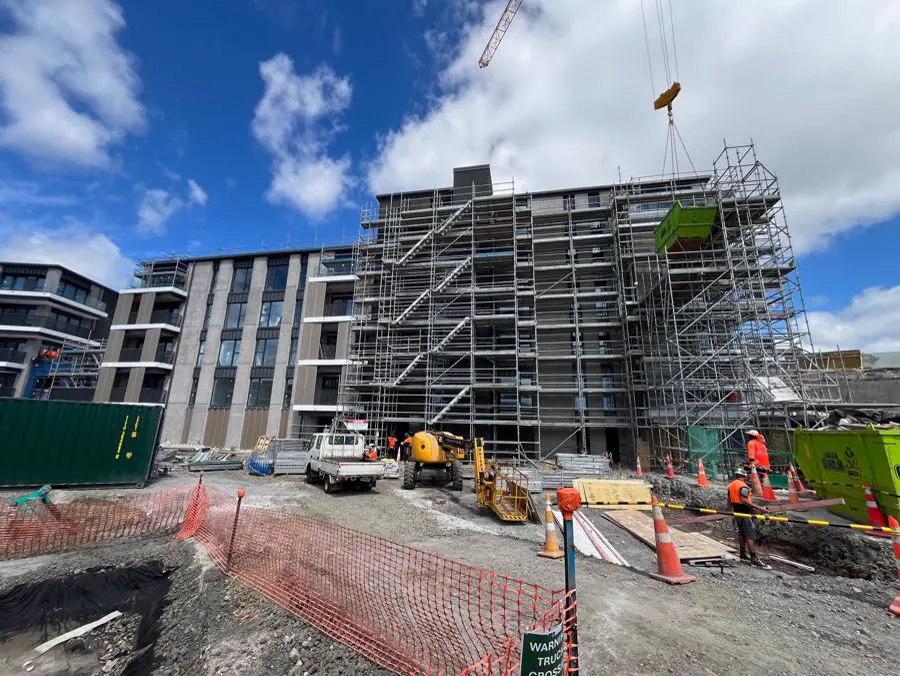
Allow for the right membrane assembly, conductive layer and access during design.
Test the exposed membrane using an appropriate electronic method.
Address identified defects and arrange retesting before covering or backfilling.
The technology
Electronic leak detection (ELD) is a non-destructive test that uses an electrical circuit and specialised equipment to locate breaches in a waterproofing membrane. Where the membrane is breached, current flows through the defect to a conductive layer beneath, so the operator can pinpoint and mark it for repair.
Different methods suit different membrane types, details and site conditions.
A wheeled scanning platform, such as the Detec IntegriScan, scans suitable horizontal membrane surfaces and locates breaches as it passes over them.
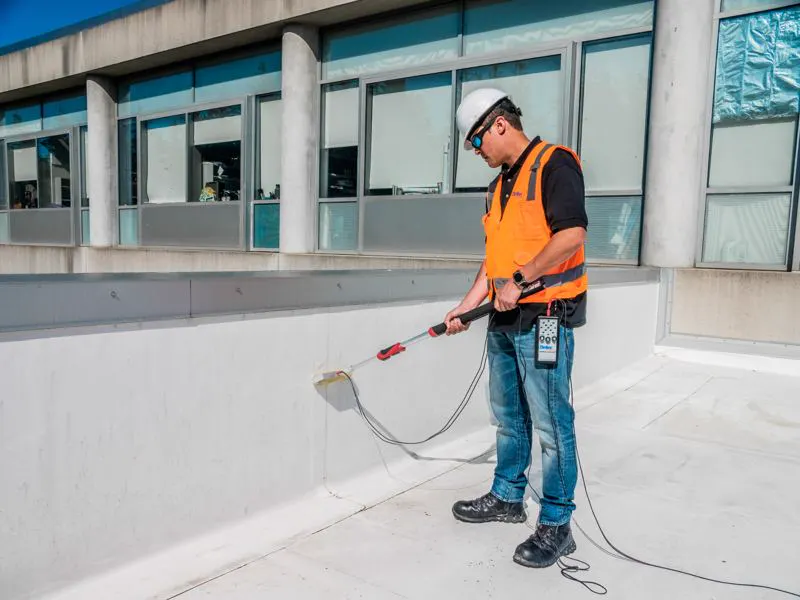
Used on suitable vertical surfaces, upstands, transitions and detailing where a scanning platform cannot operate.
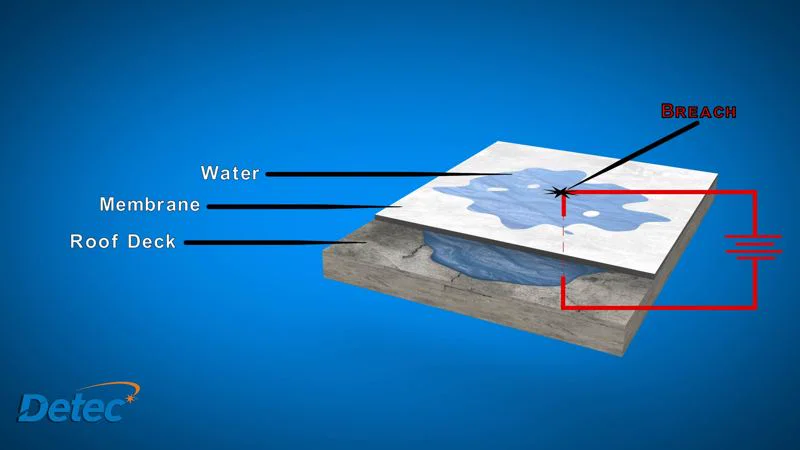
A suitable membrane, a conductive pathway beneath it and clear access to the surface are essential to reliable testing.
Relevant methodology: ASTM D7877-24 is a guide to electronic methods for detecting and locating leaks in waterproof membranes. ASTM D8231-19 is a standard practice for the use of low-voltage electronic scanning systems. The applicable method depends on the membrane and test conditions.
Choosing a test method
A flood test tells you whether a membrane leaks. Electronic leak detection tells you where. On many projects ELD is used after a failed flood test, or instead of one.
| Consideration | Flood testing | Electronic leak detection |
|---|---|---|
| What it tells you | Whether water passes through the membrane during the holding period | The location of individual breaches, marked on the membrane for repair |
| Finding the defect | Water may appear some distance from the breach, so the source can be hard to trace | Breaches are pinpointed as the area is tested |
| Time on site | Water is typically held on the membrane for a day or more, then drained | Results are available as testing proceeds |
| Surfaces | Level, horizontal areas that can be dammed; adds water load to the structure | Horizontal surfaces and, with suitable methods, vertical surfaces and upstands |
| Requirements | Drains plugged, temporary dams, and a structure able to carry the water | A suitable membrane and conductive pathway, ideally designed in from the start |
Move the scanner with a mouse, by dragging with your finger, or with the arrow keys once the membrane is focused. Educational simulation only — not a representation of actual equipment readings or field performance.
Try it yourself
Move the blue scanning platform across the membrane. As it approaches the hidden breach, the electrical response increases. Reset to hide it somewhere new.
Scanning — no breach located
This demonstration illustrates the idea of locating a breach. Real-world testing requires a suitable membrane assembly, a trained operator and the correct methodology.
Where it adds value
ELD provides assurance during new construction and helps investigate existing waterproofing problems.
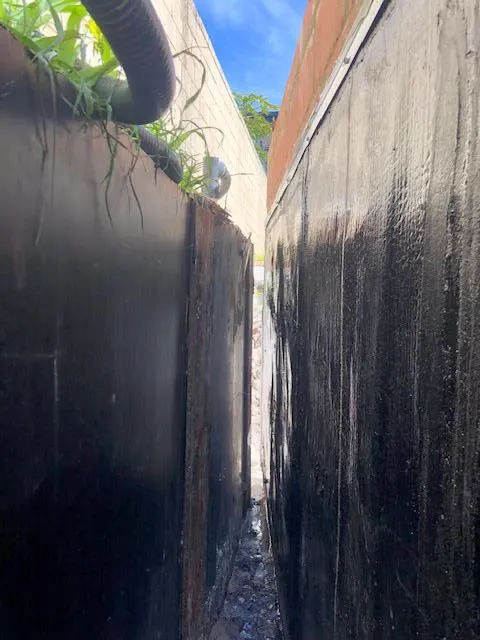
Check suitable below-ground waterproofing before backfilling makes access difficult.
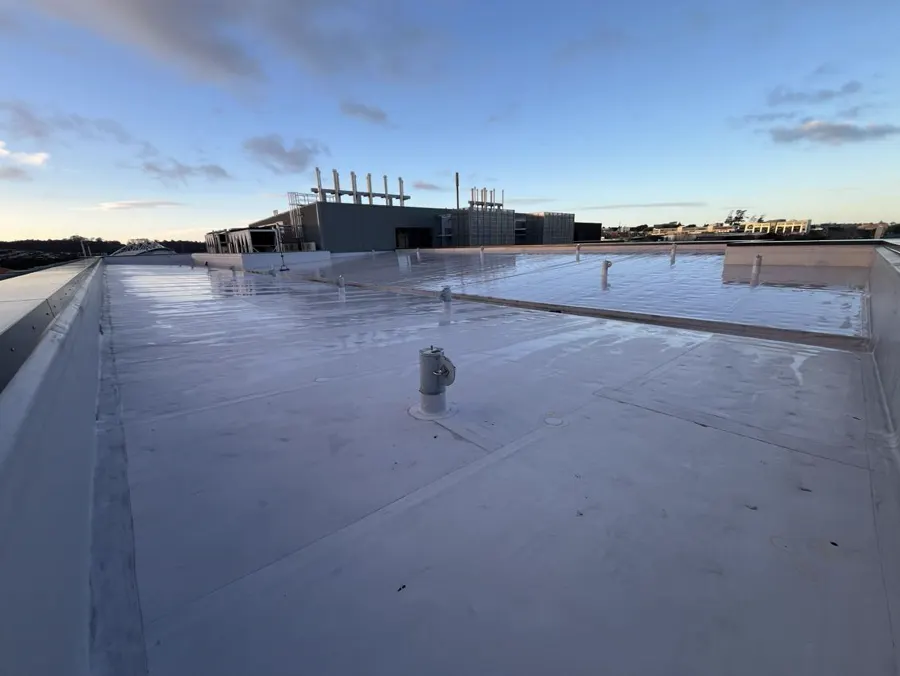
Locate breaches in exposed membranes before ballast, pavers, insulation or finishes are installed.
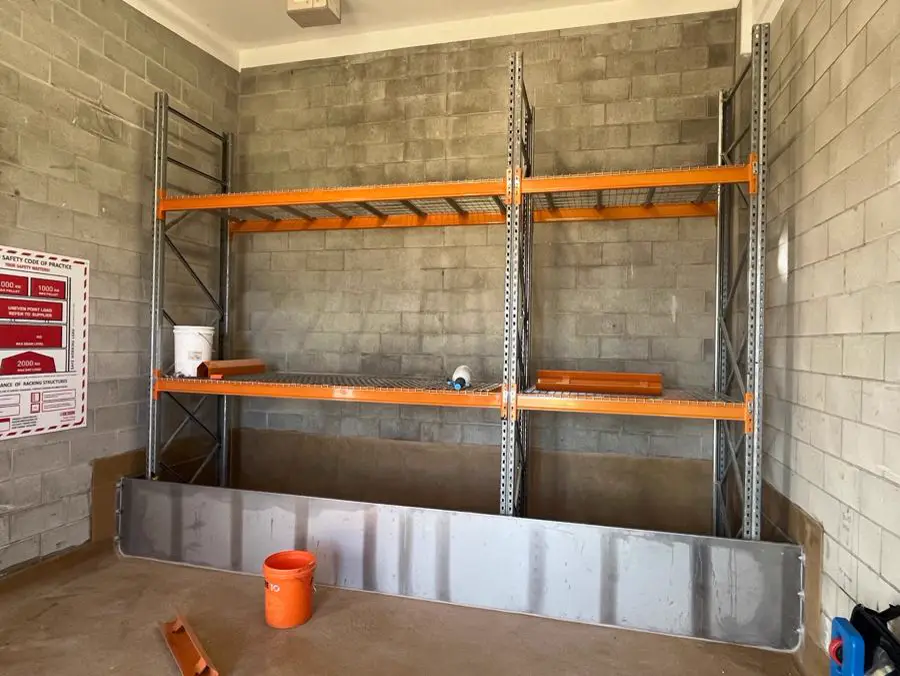
Identify defects in containment and waterproofing systems — including chemical storage bunds — where access permits.
Independent checks that a liquid-applied membrane or coating has been installed to the specified thickness, without damaging it. Coatings from 50 to 3,800 microns (0.05–3.8 mm) can be measured on concrete, timber, plastics and other substrates. Call to confirm your substrate and coating.
Real projects · real findings
Six examples of what ELD can reveal, from extensive roof areas to chemical containment, basement waterproofing and individual details. Some projects are anonymised; findings and limitations are presented as reported.
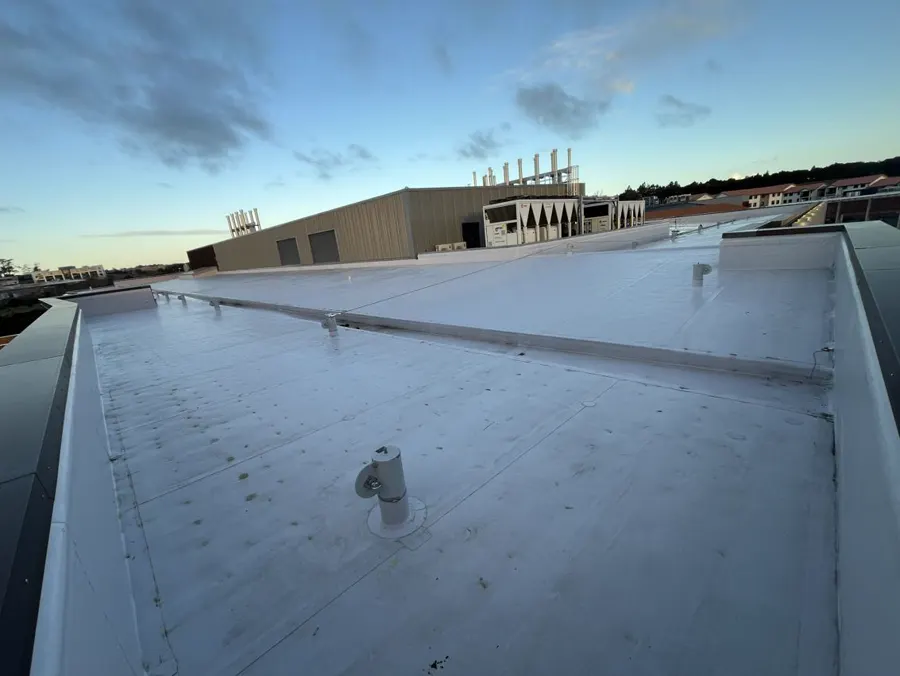
University project · Auckland
A survey of an anonymised educational facility identified 59 reported breach locations. The project illustrates the value of membrane integrity testing, and of designing in a suitable conductive substrate.
Auckland · Industrial
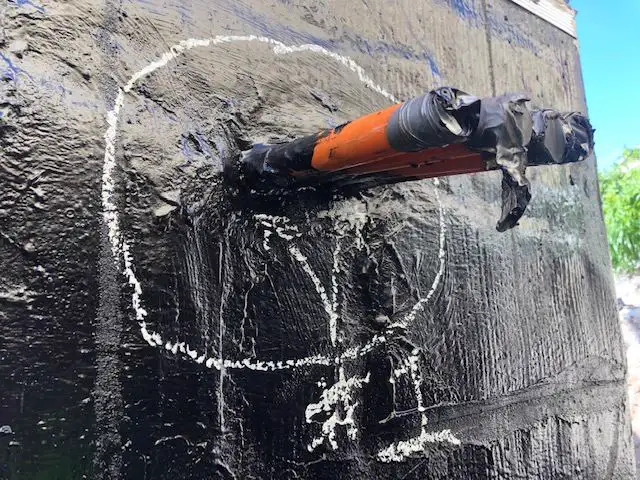
Applecross, WA · Below ground
At a below-water-table basement, two inspection stages covered the under-slab and retaining-wall waterproofing. Three penetrations were identified as breaches during the wall survey.
Undertaken by Detec New Zealand's operator while working with Detec Australia, part of the same ownership group. Phase 1 defects were repaired and retested during the visit. For Phase 2 the client did not commission a return retest, so no verified final outcome is claimed.
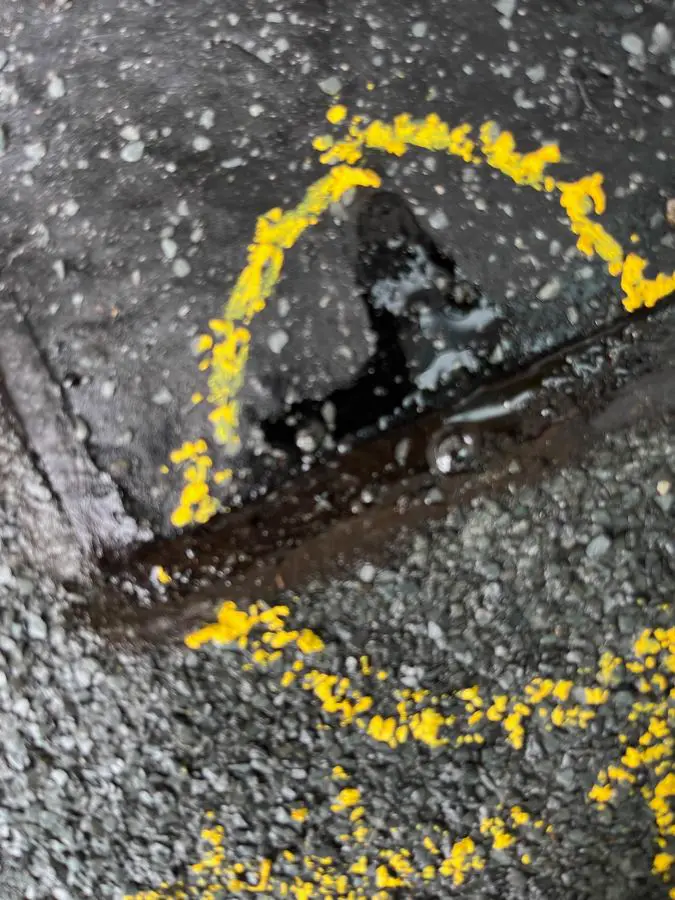
Quality assurance
Breaches like this are easy to miss by eye, particularly at laps, penetrations and changes in level. Once located, they are marked on the membrane so the installer can repair them before retesting.
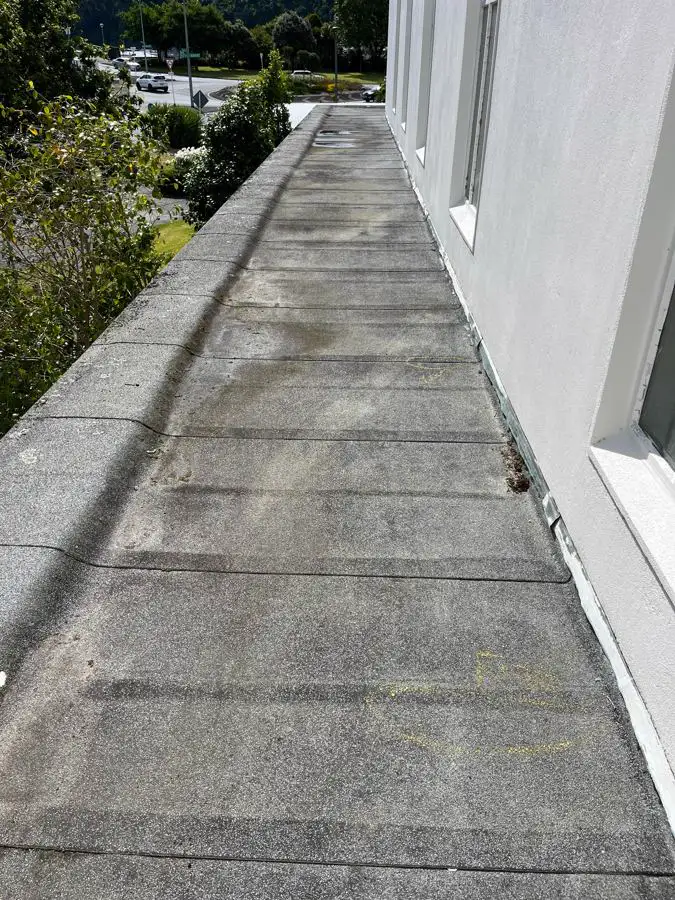
Lower Hutt · Heritage roof
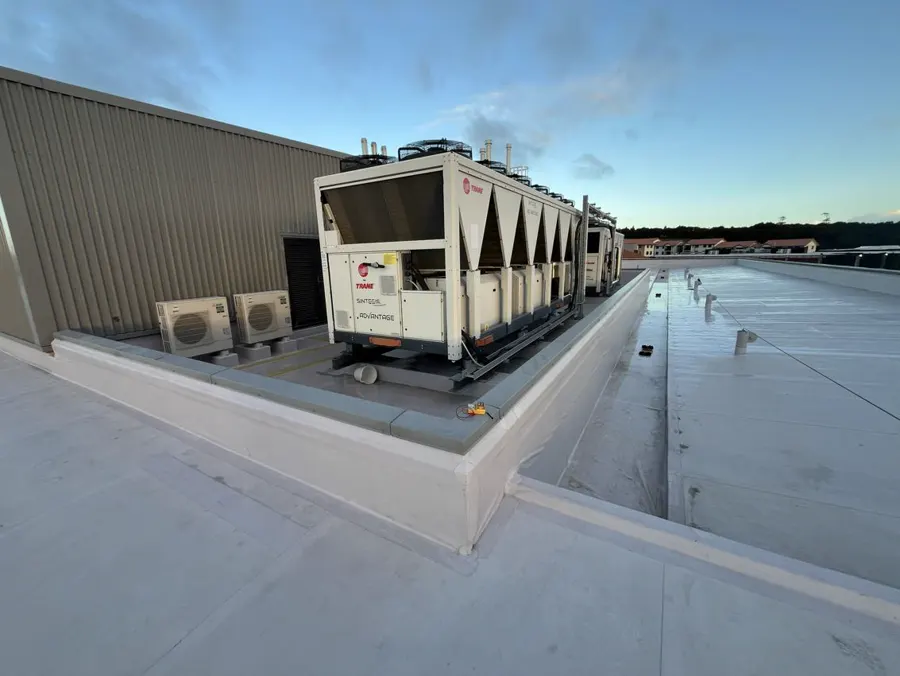
Detailing · Real projects
Small details can carry significant risk. Field investigations show the importance of inspecting changes in level, junctions and penetrations before they are concealed.
About Detec New Zealand
Detec New Zealand provides electronic leak detection for builders, waterproofing applicators, architects, engineers and building owners throughout New Zealand. We test new membranes before they are covered, and investigate existing membranes where water is getting in.
The business is based in Wellington and is part-owned by Detec Australia and by Malcolm, who carries out the testing in New Zealand. Testing uses IntegriScan electronic leak detection technology developed by Detec Systems.
[TODO: Malcolm's background: years in waterproofing/construction, ELD training or certification, typical clients.]
Talk to Malcolm →For architects & specifiers
Detec New Zealand offers CPD presentations introducing electronic leak detection, the different testing methods, ASTM guidance and the practical requirements for testable waterproofing systems.
Learn how early decisions about substrates, conductive layers and access affect whether membrane integrity can be tested later.
Request a CPD presentation →Presentation topics
Detec New Zealand is a Teulo approved CPD provider.
Watch the technology
Vector mapping, high-voltage testing, flood testing and the IntegriScan compared.
How the low-voltage scanning platform locates breaches across a membrane.
A short animated explainer of how a breach is located.
Common questions
Electronic leak detection (ELD) is a non-destructive test that uses an electrical circuit and specialised equipment to locate breaches in a waterproofing membrane. Where the membrane is breached, current flows through the defect to a conductive layer beneath, allowing the operator to pinpoint and mark its location for repair.
A flood test shows whether water passes through a horizontal membrane over a holding period, but not where the breach is. ELD locates individual breaches so they can be marked and repaired, can be used on suitable vertical surfaces, and does not require ponding water on the structure.
Not necessarily. A PS3 records aspects of construction and installation compliance within its stated scope. Electronic membrane integrity testing is a separate activity unless expressly included.
Testing methods have specific requirements. Overburden, insulation, finishes and inaccessible areas may prevent reliable testing. The safest approach is to plan appropriate testing before covering the membrane.
No. The method depends on the membrane's electrical properties, conductive substrate arrangement, access and other site conditions. Discuss the assembly early to confirm a suitable approach.
Low-voltage methods generally need an electrically insulating membrane with a conductive pathway beneath it, such as a conductive substrate or a conductive layer installed under the membrane, plus clear access to the surface at the time of testing. Confirm the assembly with Detec New Zealand at design stage.
Low-voltage methods test a wetted membrane surface and detect current flowing through breaches to a conductive layer below. High-voltage methods test a dry membrane over a conductive substrate and detect breaches as an electrical discharge. ASTM D7877 describes both approaches; the right one depends on the membrane assembly.
No. ELD is also a quality-control tool for new installations, when breaches can be repaired before waterproofing becomes concealed.
Detec New Zealand is based in Wellington and tests membranes on projects throughout New Zealand. Contact us with the project location and stage of construction to discuss availability.
Get in touch
Whether you're designing a new basement, checking a completed membrane or investigating water ingress, tell us about the project and we'll discuss what may be suitable.
Phone
027 693 3832
Email
malcolm@detec.co.nz
Based in Wellington, serving projects throughout New Zealand.
Monday to Friday, 7am–5pm.